Oyren vs ChatGPT Plus
Oyren adds shared boards and cloud machines to run work from conversations and files.
- Own Codespace
- Cards for coding agents
- Notes and mind maps
Where Oyren goes further
Context beside the build
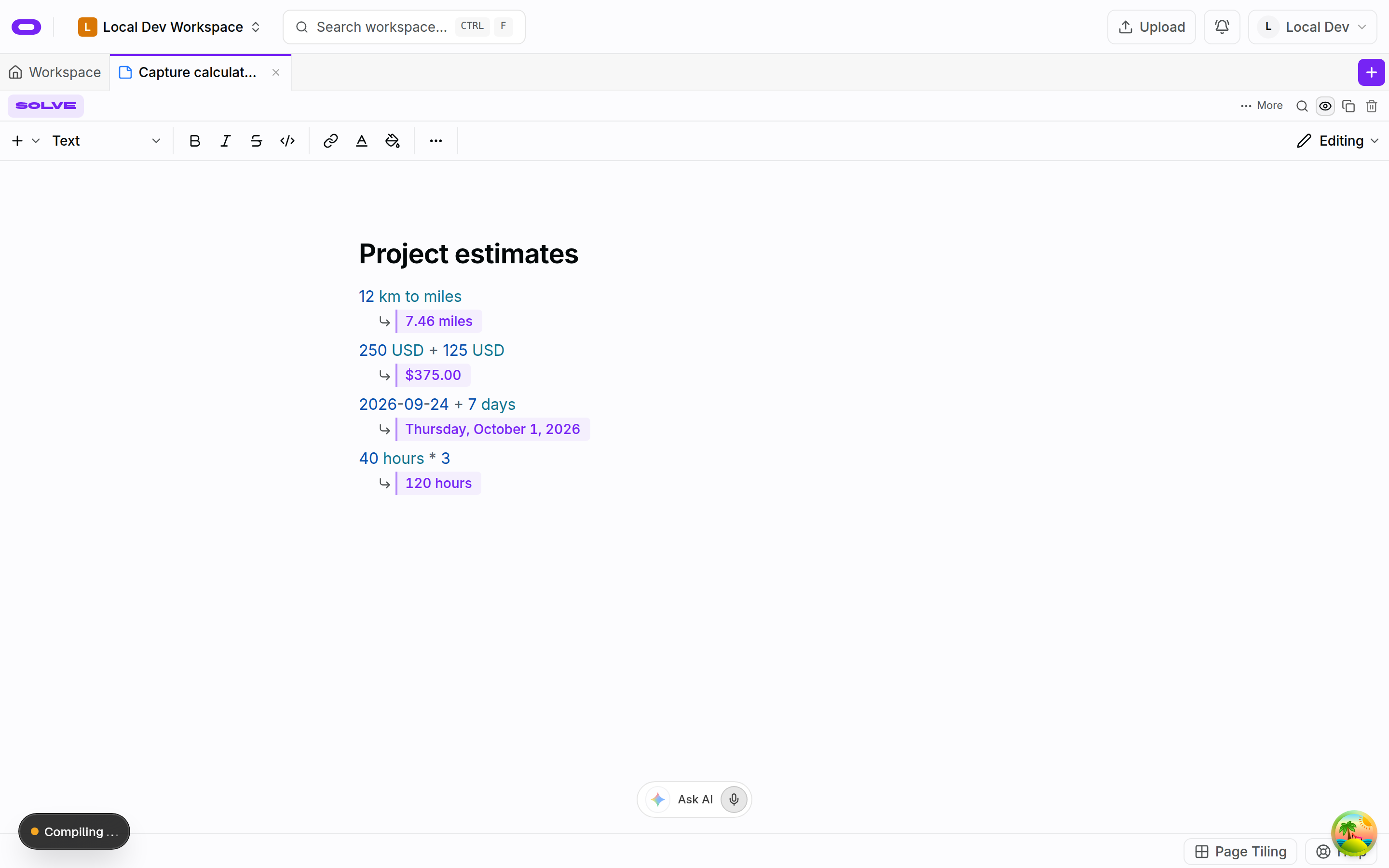
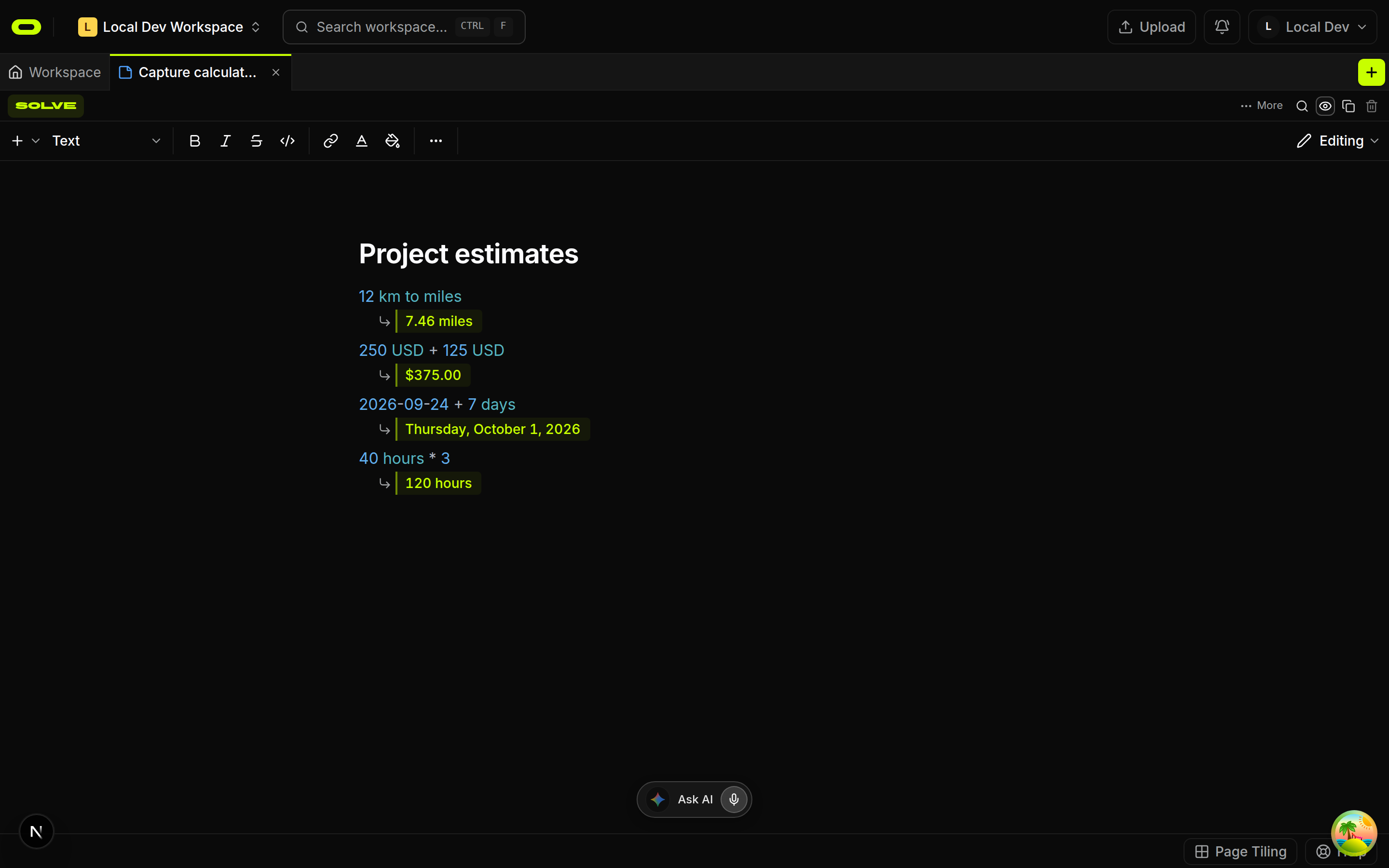
Notes, mind maps and web research sit beside the build.
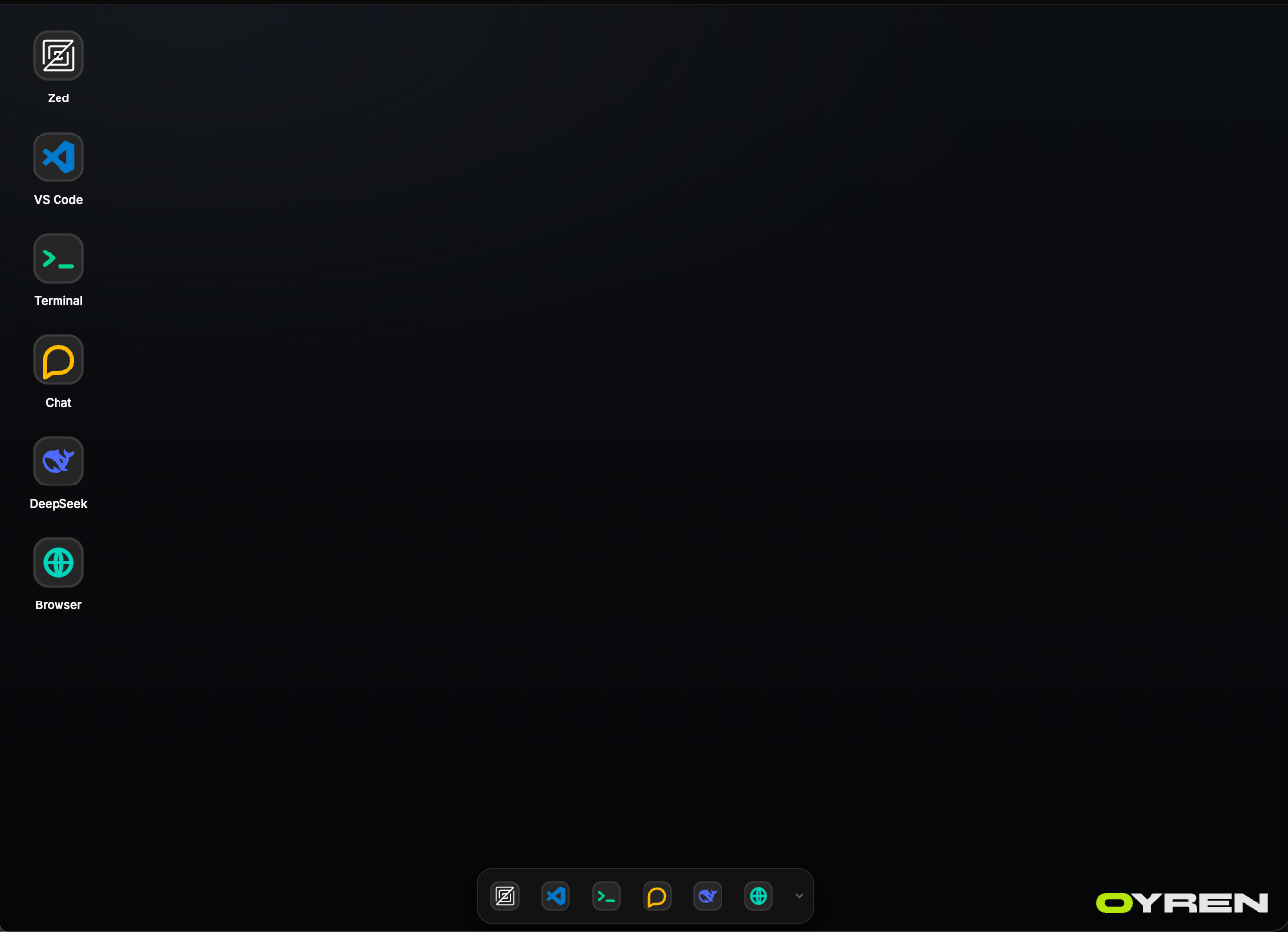
A Linux machine for the build
Claude Code, Codex or opencode run with a terminal and browser editor.
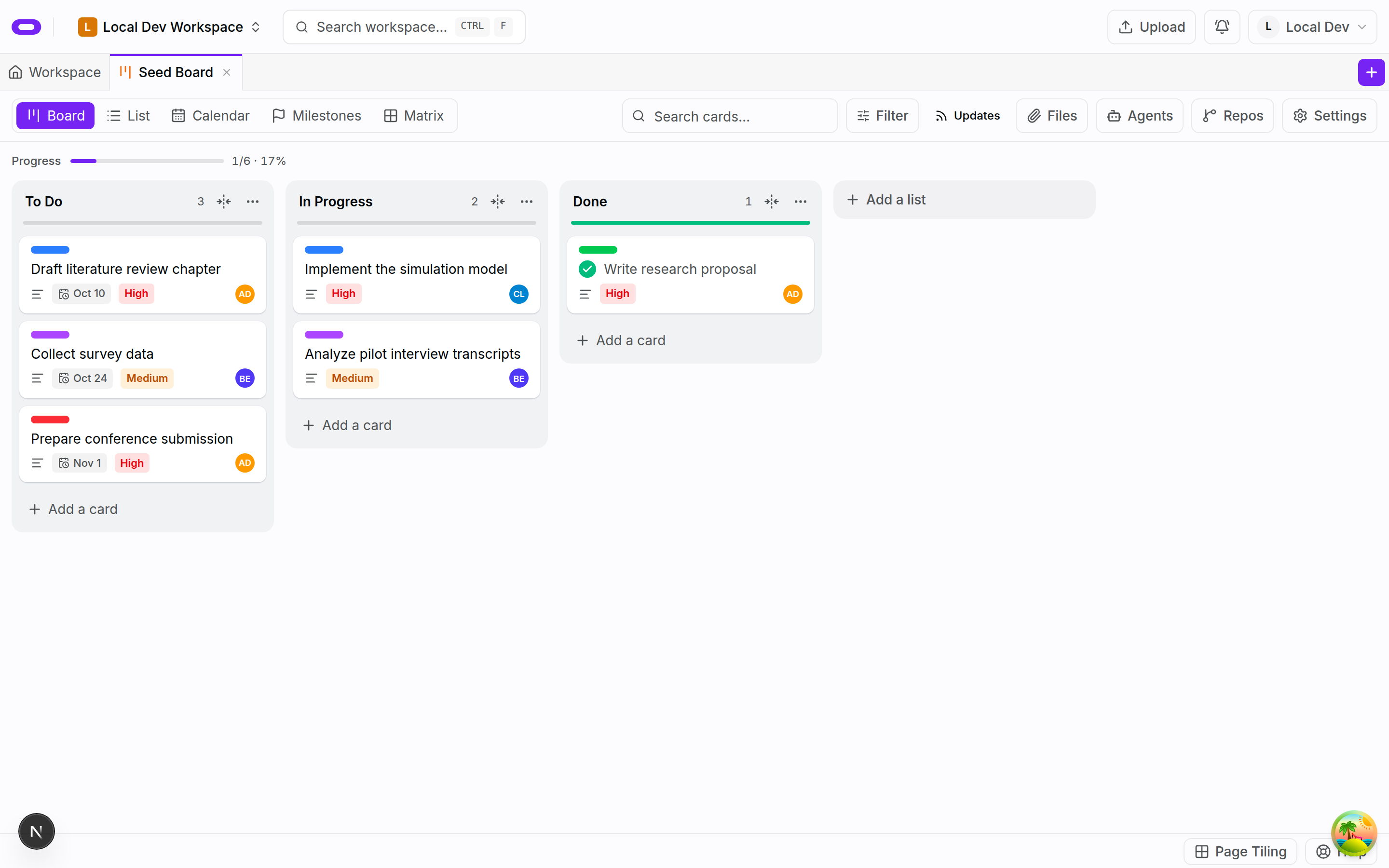
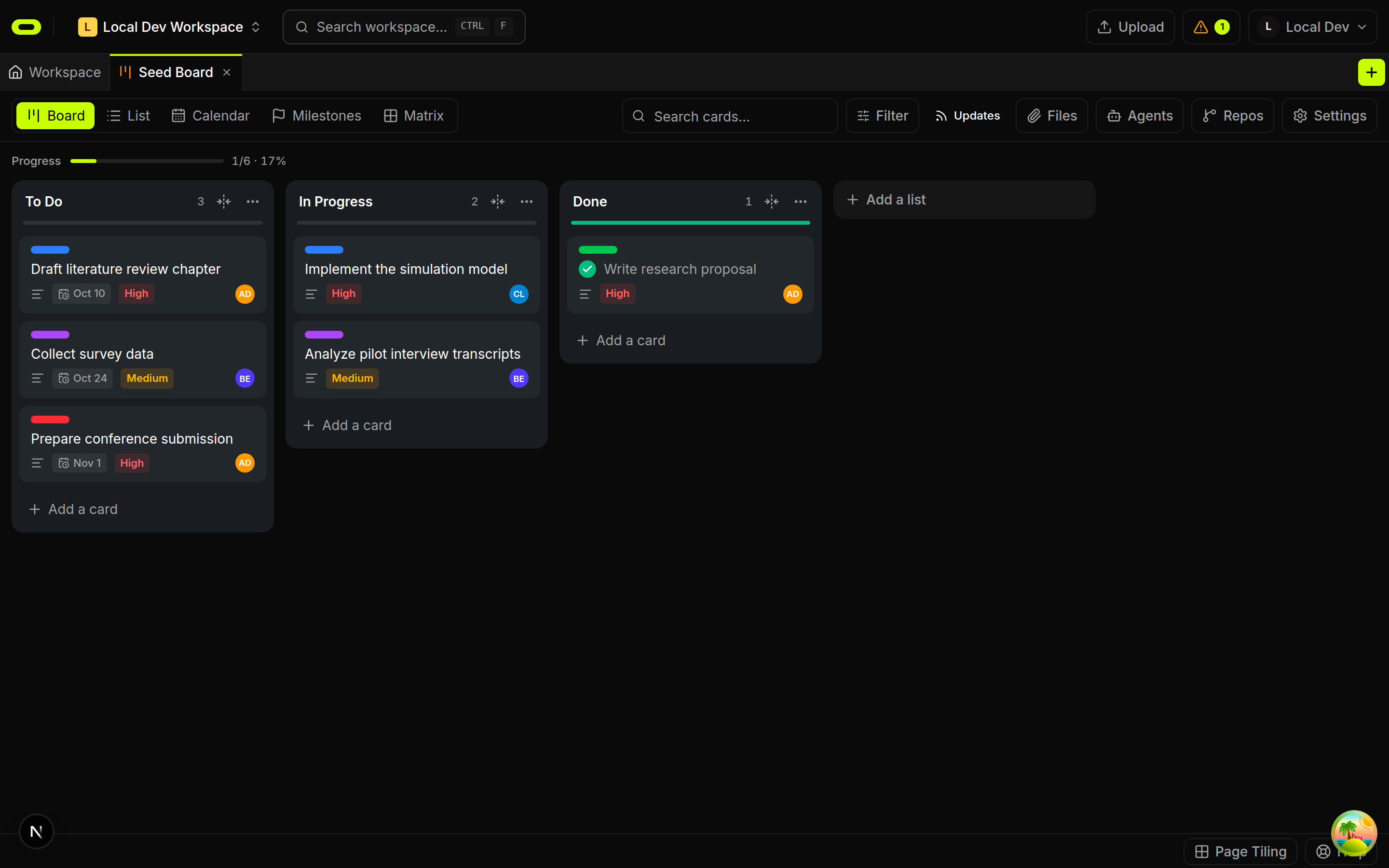
Planning on a shared board
A task card holds the brief for an agent.
At a glance
Feature matrix
| Feature | Oyren | ChatGPT Plus |
|---|---|---|
| Project planning | Kanban boards | Not stated[1] |
| Build environment | Own Linux machine | Not stated[1] |
| Notes and files | Notes, files and mind maps | Projects and file uploads[2] |
| Coding tools | Claude Code, Codex, opencode | Codex access[2] |
| Formal proofs | Lean 4 add-on (medium+) | Not stated[1] |
- [1] Official source, checked 2026-10-09
- [2] Official source, checked 2026-10-09
Plans and usage
ChatGPT Plus
- Plan price (USD)
- Not stated
- Billing
- Per user, billed monthly
- Stated allowance
- Expanded Codex usage and deep research
Notes, boards and files are included in every workspace plan. Oyren AI and compute are metered separately from the workspace plan. Codespace runtime is billed by the hour; snapshot storage is billed monthly. Plan prices alone do not establish total running costs.
Moving from ChatGPT Plus
- Step 1
Bring the repo or brief
Add the notes, files or project brief to an Oyren workspace. Connect a repository when the work needs code.
- Step 2
Plan the next change
Write one task card with its brief and a clear check for completion. Keep source files and notes beside it.
- Step 3
Run and review
Launch the codespace and choose a coding agent. Run the app, open its public URL and review the result against the brief.